
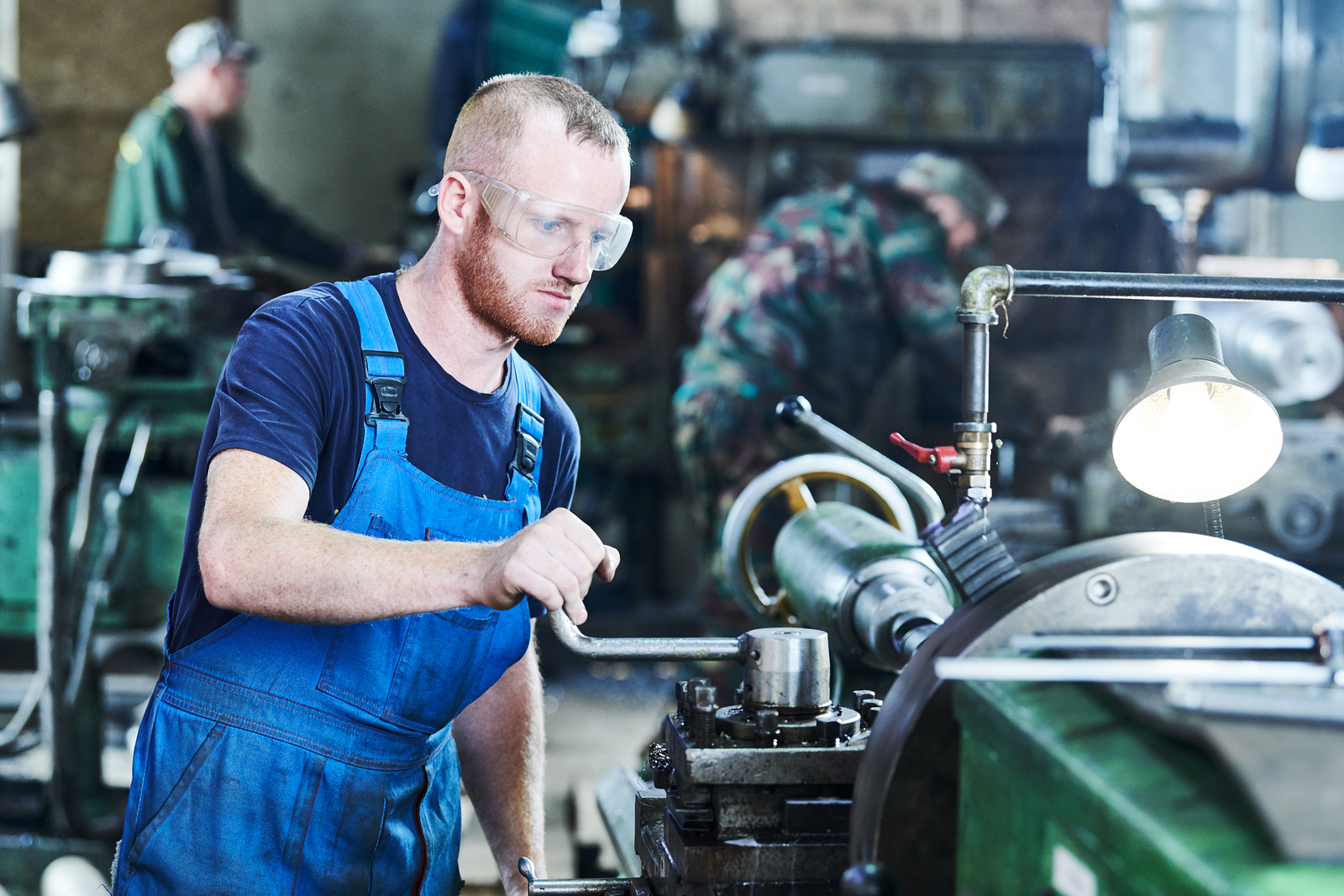
The birthplace of the industrial revolution has heavily depended on manufacturing for most of the last century.
Despite post-war decline in manufacturing employment, there are over 2.5 million people directly employed by UK manufacturers, many of which are skilled labourers. Over 300,000 of these employees work in the West Midlands. This is the highest amount of manufacturing employees of all the UK regions, rivalled only by the North West.
With our impending exit from the European Union, all involved in the manufacturing industry are concerned as to where it will leave them – in terms of importation & exportation, general costs and employment.
Previously, we discussed how a no-deal Brexit could affect the automotive industry; furthermore, how a conglomerate of organisations in the sector formed an opposition to it. In the manufacturing industry, however, there’s still a great degree of uncertainty; so we’re going to share some key points for the sector to stay aware of.
Exportation is growing Regardless of Brexit, our growth trends are promising. Our exports increased in 2018, with manufacturer sales increasing by £9.4 billion to a total of over £390 billion, a 2.5% increase from the year before. In 2016, over £230 billion worth of exports went to nations within the EU, however, recently our exports to non-EU growth markets has increased considerably. With India in particular, exportation has risen 19%. Exports to Nigeria, Thailand, and Taiwan have also risen considerably.
In 2008, British manufacturing output fell by 13% due to the credit crunch. As of September 2019, UK manufacturing output is now worth £192bn, the ninth largest in the world. In 2018, we were projected to reach the top 5 by 2021 based on growth trends.
Preparing for potential difficulties in imports and exports must be considered in the case of a no-deal Brexit. HMRC recommends applying for Authorised Economic Operator status or registering transitional simplified procedures for time and cost-efficiency when transporting goods through customs. These solutions shouldn’t be a problem for businesses with good compliance records.
Our productivity figures are lower than France despite having almost 5% lower unemployment rate. Leading figures in the manufacturing sector suspect this is due to the lack of business upscaling. Technology in manufacturing is developing rapidly, with 3D printing, Virtual Reality, Artificial Intelligence/Machine Learning and Robotics becoming more and more prevalent. Embracing technology to automate the repetitive, less engaging tasks can boost your workforce’s productivity considerably. The costs of implementing automation can be compensated for by the boost in factory output.
Other key points to remember are that the country is still seeing sizeable Foreign Direct Investment (FDI) in addition to our impressive export performance. This resilience by the sector has also been demonstrated by local business. Black Country aluminium casting specialist, Alucast, has invested over £2 million into upgrading its premises in order to keep up with the increasing demand of its automotive clientele. The company stated that this investment is “pushing aside” uncertainty in business throughout the Brexit process – a commendable example of resilience we all can learn from.
For more information about how Peak Cashflow can advise your business ahead of Brexit click here, or if you’d like to get in touch with our team directly.
give us a call on 0121 236 7575
or email us on info@peakcashflow.co.uk
Pete is based at our Birmingham office in the Jewellery Quarter. Pete spent 10 years working in the mid-market banking sector in both London and the West Midlands. In 1999, he left the banking environment to work in the invoice finance sector, progressing to Director of a medium-sized listed provider. Pete’s responsibilities include: New business acquisition • Underwriting and client management across a wide portfolio • Client care and maintaining the highest service levels within the industry.
Peter Stanton